Take Action      Audubon.org
Home      Resources

Gillmor Audubon Sanctuary and South Shore Preserve
  History
  News
   
Utah Resources

Gillmor Audubon Sanctuary and South Shore Preserve
History

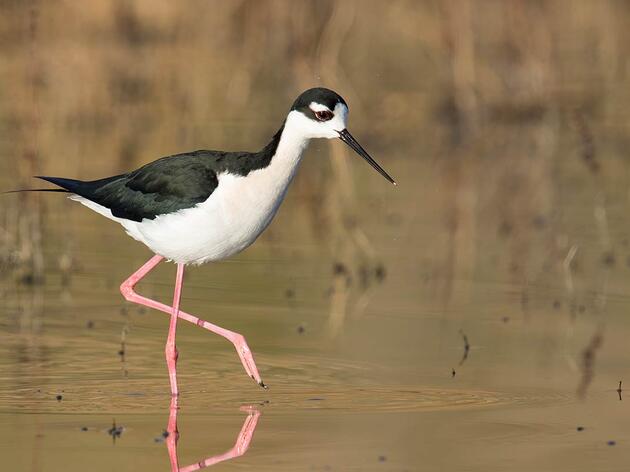
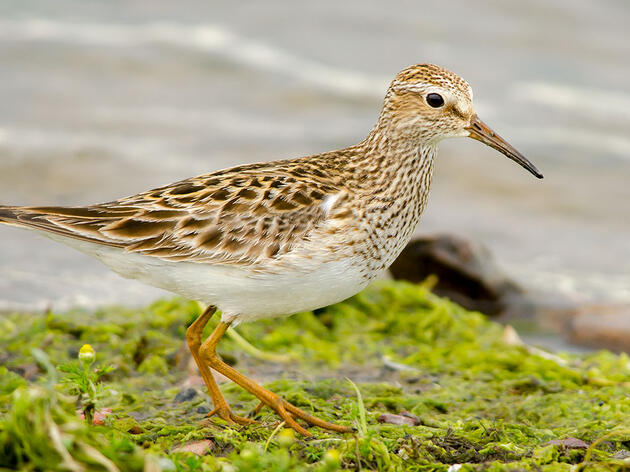
In 1992, as part of the Western Hemisphere Shorebird Reserve Network, the Great Salt Lake wetland ecosystem became internationally recognized.

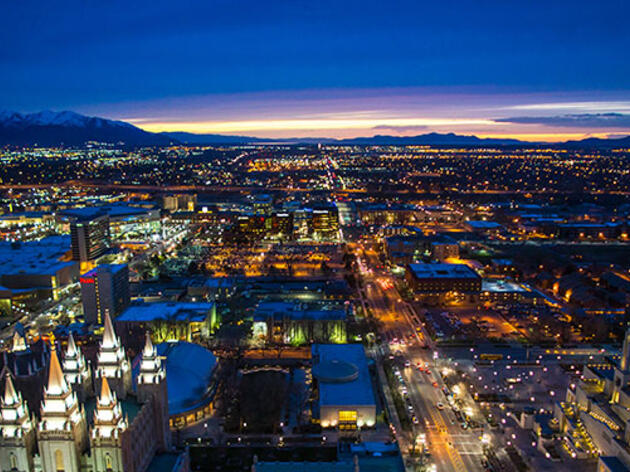
Today this critical ecosystem is at risk from a rapidly growing human population. Utah is often perceived as a sparsely populated state. Being the second driest state in the Union, the lack of water has limited growth and determined settlement patterns. Most of arid Utah fits the sparsely populated perception, but streams flowing from the Wasatch Mountains provide year-round water result in a narrow band of human population concentrated between the base of those mountains and Great Salt Lake. The same streams and rivers used by humans are also the major source of water for Great Salt Lake and its associated wetlands. Over 60 percent of Utah's 2.7 million people live within 20 miles of Great Salt Lake's wetlands. This densely-populated narrow strip of land is one of the most urbanized and fastest growing in America. Unfortunately, urbanization has resulted in habitat destruction from construction of residential housing and industrial parks, contaminants from urban run-off, highway spills, and sewage treatment plants, and industrial and agricultural wastes, pesticides and fertilizers. Protection of these rapidly dwindling wetland resources is urgent and critical to the survival of many species.

Audubon's involvement in active conservation of Great Salt Lake wetlands began in December 1992, when the Society took title to 107 acres donated along the southeastern shore.

The Utah Reclamation Mitigation and Conservation Commission (Mitigation Commission) established in 1994 was given a congressional mandate to fund plans and projects to preserve, rehabilitate and enhance wetland areas around Great Salt Lake. In 1993, Audubon proposed a Great Salt Lake South Shore Wetlands Ecological Reserve and requested funding from the Mitigation Commission to explore the feasibility of establishing a reserve on a large unprotected area west of Salt Lake City, directly along the shoreline of Great Salt Lake.

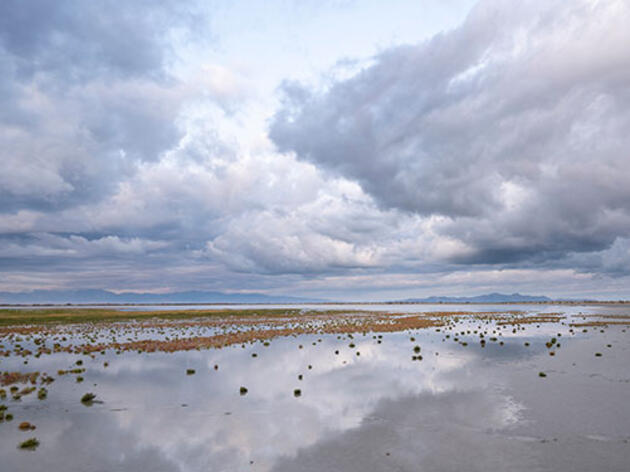
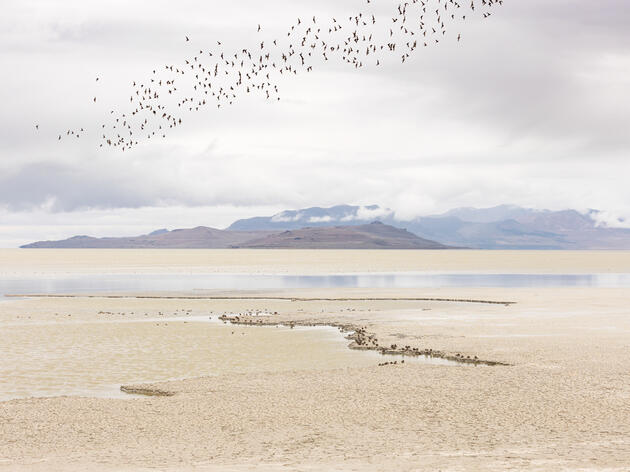
During this study, Audubon laid out a vision for a large wetland/upland preserve. The site is unique, being the only area on Great Salt Lake where the geological 'plumbing' of a major river delta remains relatively unaltered by humans.

Over 2,000 years have elapsed since the Jordan River flowed through the area sculpturing channels and shifting distributaries, playas, and upland islands. Though the old delta is dry (abandoned long ago by the water when the river moved its course further to the east), today the river-carved topography is still amazingly intact; its features protected by ranching families for over a century.

The vision developed by Audubon during the study was presented to the major landowners. The largest landowner was so inspired by the concept that in 1994 and 1995 they anonymously donated 1,319 acres to establish the Gillmor Audubon Sanctuary. This generous gift provided a huge catalyst, and the Mitigation Commission subsequently partnered with Audubon to create the South Shore Preserve. Through the intervening years, slowly but consistently, piece by piece, land has been added toward the creation of the South Shore Preserve. Audubon currently manages 2,738 acres along the shoreline of Great Salt Lake, acquired directly or held in easement. In addition, rights to about 3,000 acre-feet of water per year have been permanently secured.

In summer 2007, construction of a water delivery system moved forward. Construction of fourteen berms, excavation of over a mile of canal and ditches, and development of the main control structure is designed to re-introduce water into the entire system. Funding has been provided by NRCS, the Mitigation Commission, and private donors, while Ducks Unlimited has provided assistance with design and implementation.

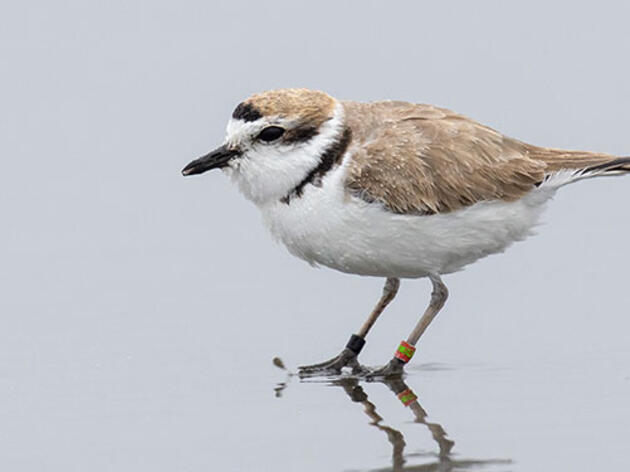
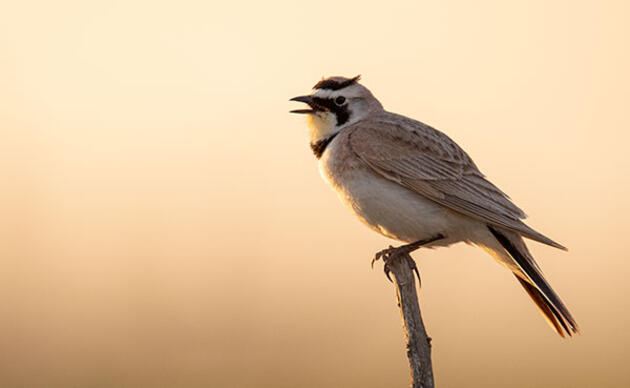
Today, the South Shore Preserve is an area of wide-open vistas and a variety of wildlife. It is a peaceful place, where wildness still abounds. The future holds exciting water enhancements to attract vast numbers of wetland birds to the low-lying areas, while leaving the uplands unaltered until a major re-vegetation effort can be implemented.

Home | Audubon.org | Take Action | Audubon in Utah
Copyright by National Audubon Society, Inc. All rights reserved.